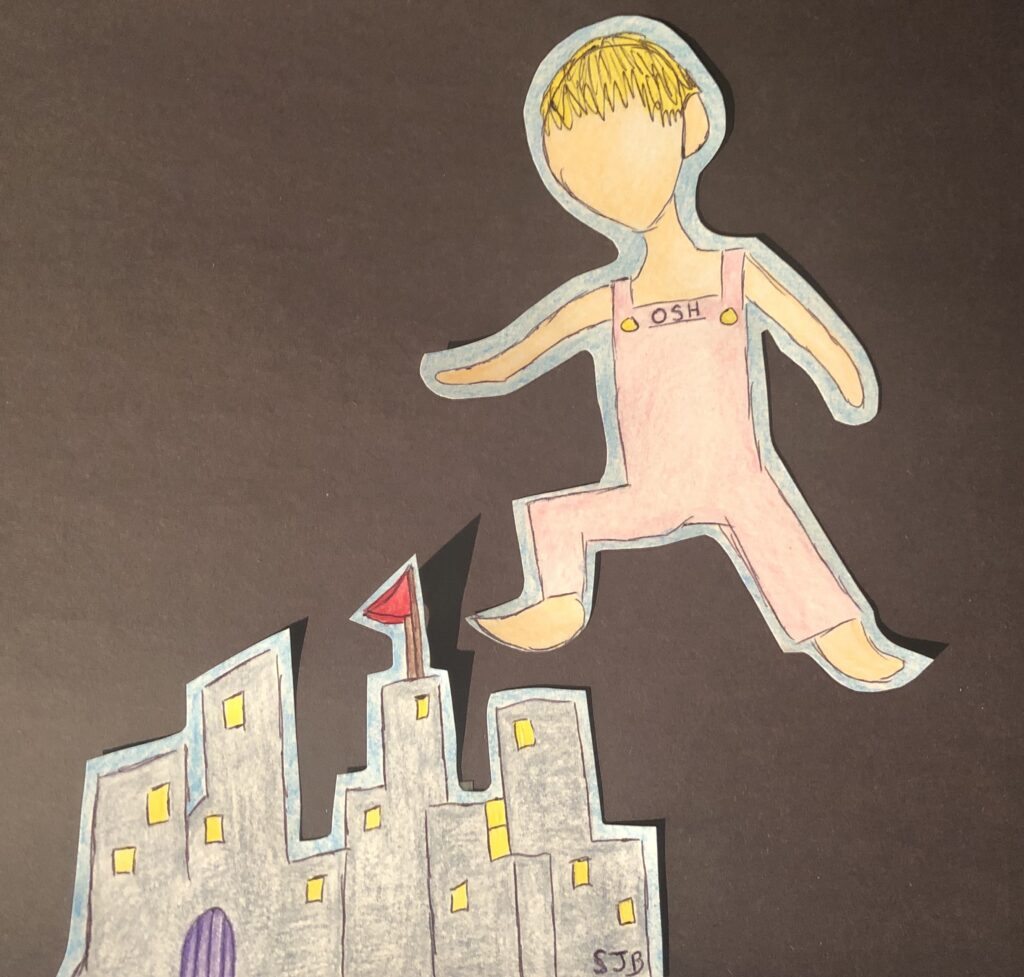
I am happy to announce that I am currently working toward publishing my third book!
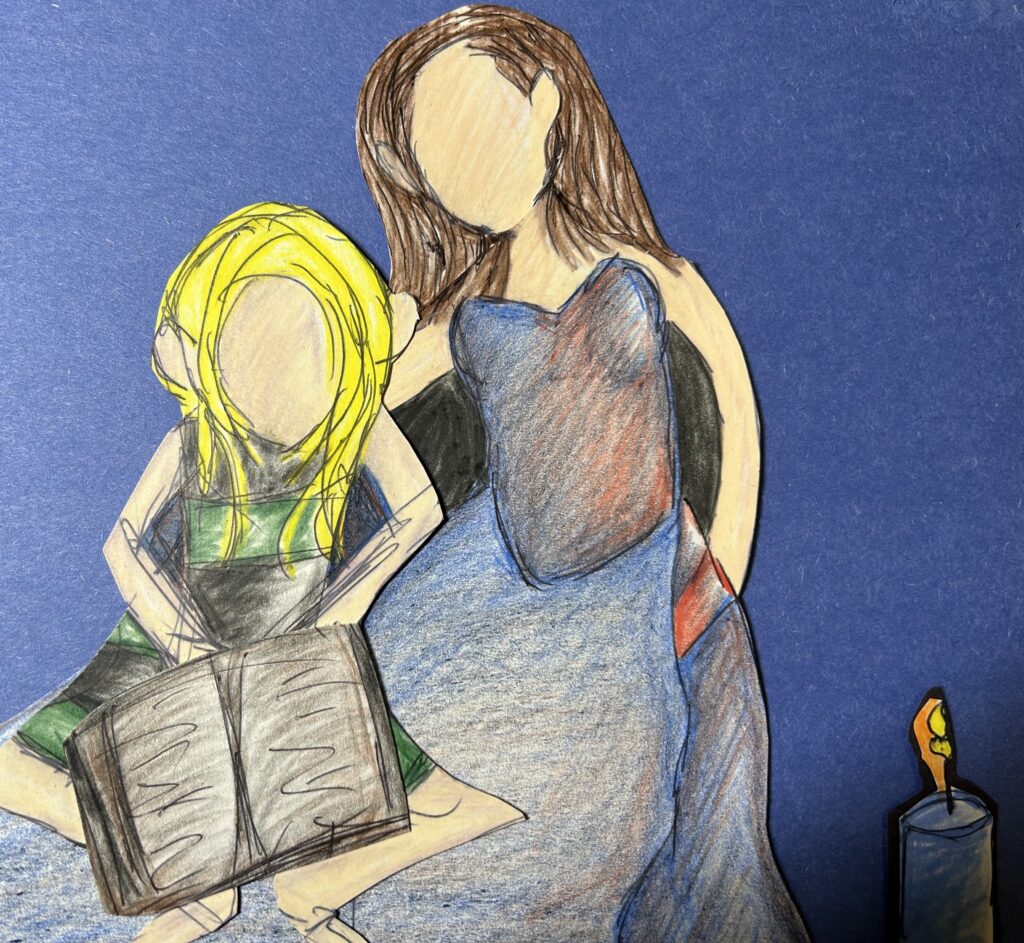
This book is a relatively true story about my relationship with voices. Mental illness will, once again, be depicted in fairy tale fashion. I am looking forward to shaking things up a bit!
I recently finished the illustrations. It will be a while before this comes to fruition, but I am very excited and thought you all might want to know! Thank you for being loyal readers and supportive of my journey to help make a difference.
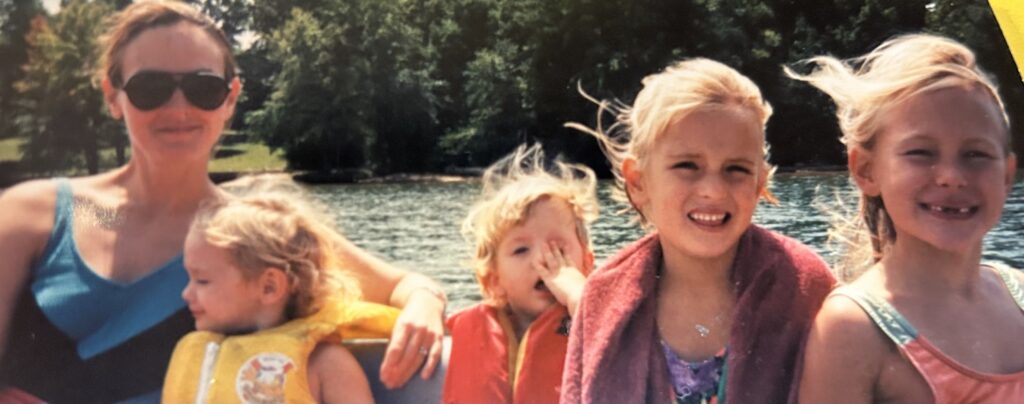
When I was a toddler, my dad was the assistant director at a beloved summer camp. My family has history there. We have frequented this camp for generations; our ancestors spent weeks there during the warmest months of the year. My life began in a cabin in the woods.
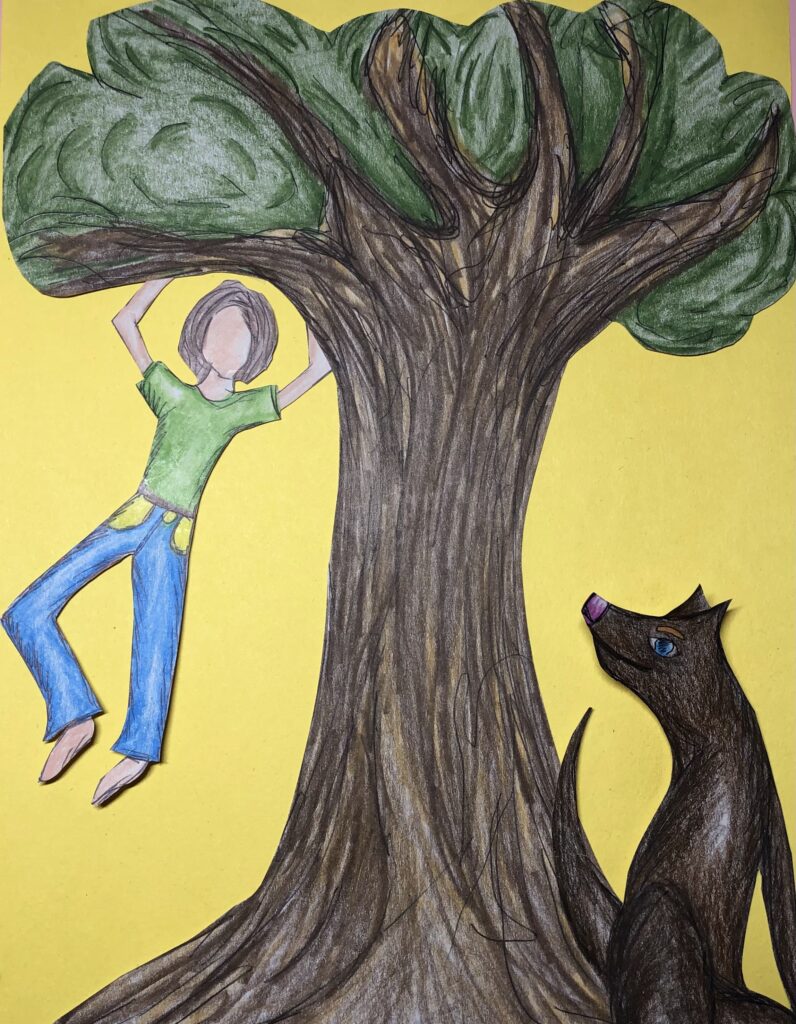
The residence for the assistant director-filled with me, my dad, mom, and sister, Jessica-was located near the archery range. Each of the counselors taught a different lesson. They were high school and college kids working for the summer. One day, as I played and rested in the roots of a large tree, I heard the archery instructor yell at the campers in a loud, frustrated manner, “SHUT UP!!” My parents had taught me how to keep peace with words, and some words were forbidden. I vacated the tree roots and marched down the hill, wearing nothing but a diaper. I scolded that counselor in a loud voice, “We don’t say that word!!” He fell silent. Freedom of speech comes at a cost. You never know when a two-year-old is holding you accountable.
Children are hanging on our every word. They are listening intently to conversations rated far above PG. Using derogatory terms, such as: “Crazy,” “Psycho,” “Lunatic,” “Mental,” “Stupid,” and even, “Shut Up!” are feeding the stigma. These words float around us from all directions. The media is partially to blame, but dining with parents and friends who discuss these topics over the counter can separate a child from the truth. The effect is a future wrought with continued ignorance and intolerance, passed down for centuries.
Later in my childhood, my mom was game instructor for the “Kid’s Fellowship” Program at our church. She has always been an advocate for “If you don’t have anything nice to say, don’t say anything at all.” She created a beautiful environment for the youth group and was very active in the church. I will never forget her authentic slogan:
“Build each other up.
Don’t tear each other down.
Don’t bully, boss, or push around.”
-Margaret Buice
My mom’s words are inspiring. If everyone took a page from her book, the world would be a much better place. Mom always understood that her speech was expensive. She has four daughters and manages never to forget who is listening.
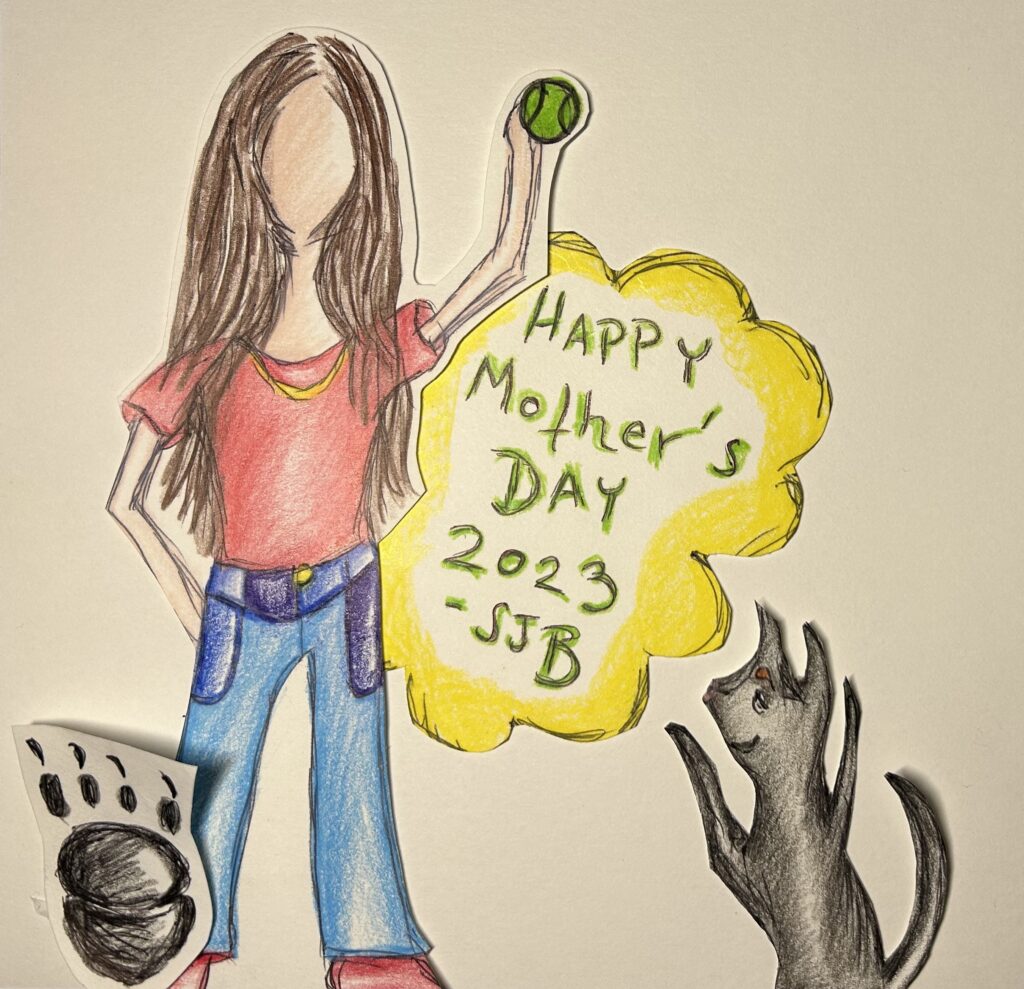
**For those who are unaware, Mother’s Day is this upcoming Sunday.
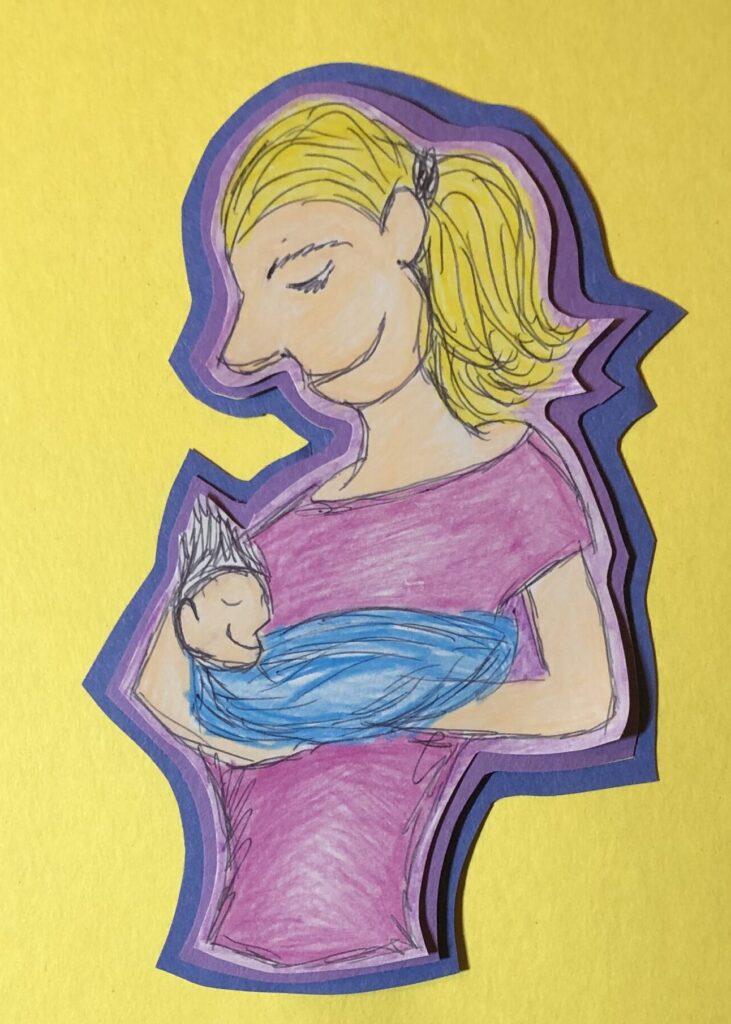
Mother’s Day is a reminder of how much we appreciate our moms, as well as our own fruit. We acknowledge the women who brought us into this world, and cherish the women who kept us alive to see this day.
Today, I celebrate my fifth Mother’s day with Logan, and share this special day with his “Aunt Emily,” and twin sister, Juniper. Fur babies are kids too! In my opinion, the best kind.
“Shout out” to my cousin, Courtney, who recently gave birth to a baby girl, who has a really cool big brother.
Why are the people in this nation slaves to little pieces of worn, green paper?
Greed, power, selfishness?
A lack of compassion?
Where is the human connection? Weren’t many of us, in childhood, taught to share? Does this courteous gesture expire, with the ability to talk to each other?
Who are we, if not accessories to our phones, and busy virtual lives? When did we forget to care about the faces around us? Polite waves, the occasional “How are you?” When did we stop waiting for a response?
GO OUTSIDE. Breathe fresh air. Walk your dog; lift your face to the sun, and observe your surroundings. Speak with those around you, because a stranger is a friend you haven’t met yet. Climb a tree, row a boat, go for a run.
Check out a library and read a book (turn pages like a dinosaur because it is more fun). Smell the old tomes and remember a life when our noses were buried in books, not screens. Days we did not swipe pages on a tablet.
Create art. The scent of crayons will send you straight back to kindergarten, when there were no cell phones or internet and the world was filled with wonder.
Enjoy “real” life, with a smile, and remember to look up!
Often, I have been approached with the question, “How can I help a person suffering with mental illness?”
In my experience, here are a few pointers:
Never play into a person’s delusions. With great care, gently handle a situation without causing the person to believe they are devastatingly wrong, but hear them out. Carefully assure the person that everything will be alright, without pretending to understand what they are experiencing. Comfort in confusion.
The mental health system is flawed in many ways. For example, when I visited several hospitals in 2013, the staff treated my delusions as if what I strongly believed was indeed the truth. No one said, “It will be okay.” “You are in a safe place.” “You and your family are not in danger.” They played along.
My parents and sisters visited me as frequently as possible, assuring me of these truths; yet being surrounded day after day by lies from hospital personnel strengthened my doubt. My little sister, Jessica, discovered that eye contact was crucial. She looked deep into my eyes and assured me that this would pass; I was not alone; I was safe. She liberated me of my delusions, if only during visiting hours. Every time she visited felt like Christmas. I suppose time passed as it does in “dog years.” She was there, then she was back. All the time in between was so blurry, leading me to believe that her visits were more frequent, as though she never left.
Make eye contact. Listen intently and give no advice, when the person is seized by an insurmountable low mood. In that state, advice feels like an itchy sweater.
Sometimes, anxiety weighs on a mind without tangible reasons. In this case, a bit of light help may be appreciated. Spending time outside, soaking in endorphins and Vitamin D is paramount. When I sit in the yard with my dog, nature behaves like quick sand. Out there, I have no desire to go inside. I am wrapped in a snug hold by the trees and vegetation. The smell of grass is comforting; reminding me of Saturday afternoon soccer games as a ten-year-old, the relief of finishing a game and removing my shin guards. Exercise can be a chore, but a mood lifter. I hike with my dad every week, and that eases the worry for a while. Exercising with a partner can make it more appealing. In other cases, advice may not be well received. Read between the lines.
Be patient.
There is a delicate balance between concern and expression. In the past, when my mom asked me, “Have you taken your meds?” “Are you okay?” or “Are you feeling revved up?” I became agitated. Over time, I successfully noticed symptoms and headed them off before these questions. When I needed a nudge toward taking my medications or changing the med cocktail, my mom always noticed. She guided me toward the right path-without steering-when I reached that fork in the road. I decided that in order to avoid the questions I so hated, Mom was permitted to ask me, “How are you?” I do not know why, but word choice is key.
“Comfort food” is magical. My mom’s homemade bread saved my life. People say, “I’m starving!” when they are mildly hungry. I almost literally starved to death, failing to recognize the relationship between sustenance and utensils. I forgot how to eat and had less than a week to live. In order to avoid starvation, I was rushed to a medical psych ward, where I slowly reintroduced food to my body. I wasn’t eating-until my mom brought me a loaf of homemade bread. They say that “The way to a man’s heart is through his stomach.” I say that is the truth for everyone. Comfort food goes a long way. I highly recommend it.
Research materials are available for those seeking knowledge of specific psychiatric disorders, and how to help your loved ones and yourselves. I strongly recommend the summaries found in the “for Dummies” sources such as “Bipolar Disorder for Dummies,” “Schizophrenia for Dummies,” and so forth. There are also issues related to “Medicare for Dummies,” which can also be extremely helpful.
NAMI (National Alliance on Mental Illness) has a plethora of information. I recommend starting here on your quest for knowledge. nami.org
In dire circumstances, the National Suicide Prevention Hotline may be needed. The number has recently changed to: 988
When I relocated to a small town in 2015, I was employed by an old man and his wife who owned an antique business. I refinished furniture, smashed silver to rid it of sand, lifted heavy objects, rode in a company van for drop offs and pick ups. My favorite aspects of the job were: being in the basement working alone, attending the auctions and helping with estate sales. I rescued countless treasures from the rubble. Many of those sales were spent outside. One day, drenched in sweat after a long day under the scorching kiss of the sun, I discovered an anonymous poem. I am not claiming it as my own work, but it is anonymous, so I am quoting a ghost.
–SJB
“THE MAN IN THE GLASS”
When you get what you want in your struggle for self
And the world makes you king for a day,
Just go to a mirror and look at yourself
And see what that man has to say.
For it isn’t your father or mother or wife
Whose judgement upon you must pass,
The fellow whose verdict counts most in your life
Is the one staring back from the glass.
Some people might think you’re a straight-shootin’ chum
And call you a wonderful guy.
But the man in the glass says you’re only a bum
If you can’t look him straight in the eye.
He’s the fellow to please, never mind all the rest
For he’s with you clear to the end.
And you’ve passed your most dangerous test
If the guy in the glass is your friend.
You may fool the whole world down the pathway of years
And get pats on the back as you pass,
But your final reward will be heartache and tears
If you’ve cheated the man in the glass.
–Anonymous
I know it says “man.” It doesn’t necessarily have to be a man, but it was written this way. I could not have quoted this poem if I made changes.
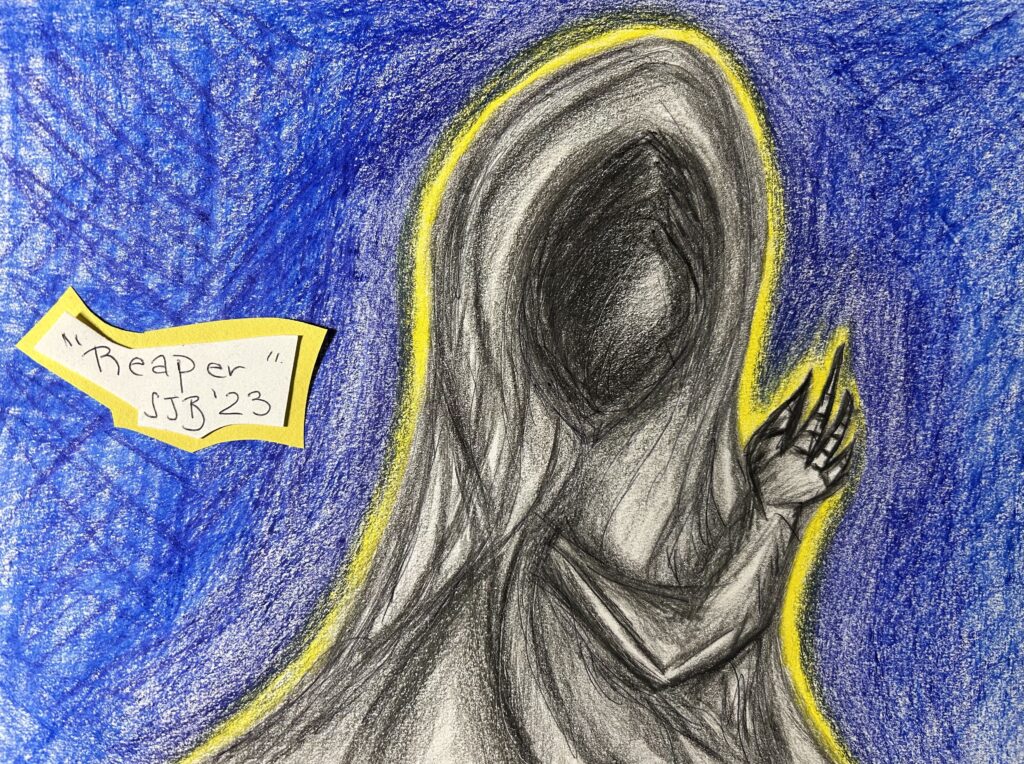
People die every day. It is undeniable, though we deny this fact until the truth slaps us in the face. Death is inevitable, yet not always born of natural causes. In many scenarios, the Grim Reaper collects individuals long before their time.
In my own experience, the beginning stages of a blossoming bout with mania can be thrilling. The adrenaline rush is like no other; the energy and productivity stretch my mind and body to its limits. These episodes prevent me from sleeping, deeming it a “waste of time.” During these periods of confusion, I am not violent. I am not a danger to myself or others.
Turning that smile upside down, the other end of my spectrum is a crippling depression coupled with insurmountable anxiety. My limbs are heavy, and rising from slumber is a most difficult task. For days, I live as a zombie-not truly alive-surrounded by a fog so thick I may be drowning. Smiling requires energy I do not possess, even to plaster a fake across my facade. In this condition, I am not violent. I am not a danger to myself or others.
Everyone stumbles at a fork in the road. Some turn to self-medication, seeking solace behind a mask of pleasure; they cover symptoms with a Band-Aid. Others resort to violence when they are unstable. Without aid or support, victims of hardship and neglect are oft times held responsible for actions beyond their control. They are considered “bad guys.”
When events of horror befall our “normal” lives, there must be a villain. This cannot be the work of someone in their right mind. Something is “wrong” with the culprit. Before reasonable doubt, the suspect is branded with labels such as, “crazy,” and “psycho.” Mental illness is treated like a crime.
The Reaper visits schools, public parks, individual residences. He carries guns. He gives no thought to collateral damage. He murders children. He shoots innocent men and women in the streets. Death follows us all, and it fails to unite us in grief; to lock the guns away and throw away the keys. Send our children to therapy. Work out issues diplomatically. Most of all, we need to look in the mirror at the reflection of a human being with problems not so different from those around us. We must cease to point fingers, blame scapegoats, hide from the “bad guys,” and begin to realize that we are all villains sometimes. “Bad guys” aren’t born. They are the creation of misunderstandings.
–SJB
Disclaimer:
My relationship with psychiatric disorders is unique and does not fit a mold. Every case stands alone. I cannot diagnose or treat psychiatric disorders. I cannot prescribe medication. I have only my experience and my voice. If you would like to ask questions or speak to me about any particular issue, I can be reached by email. Thank you!
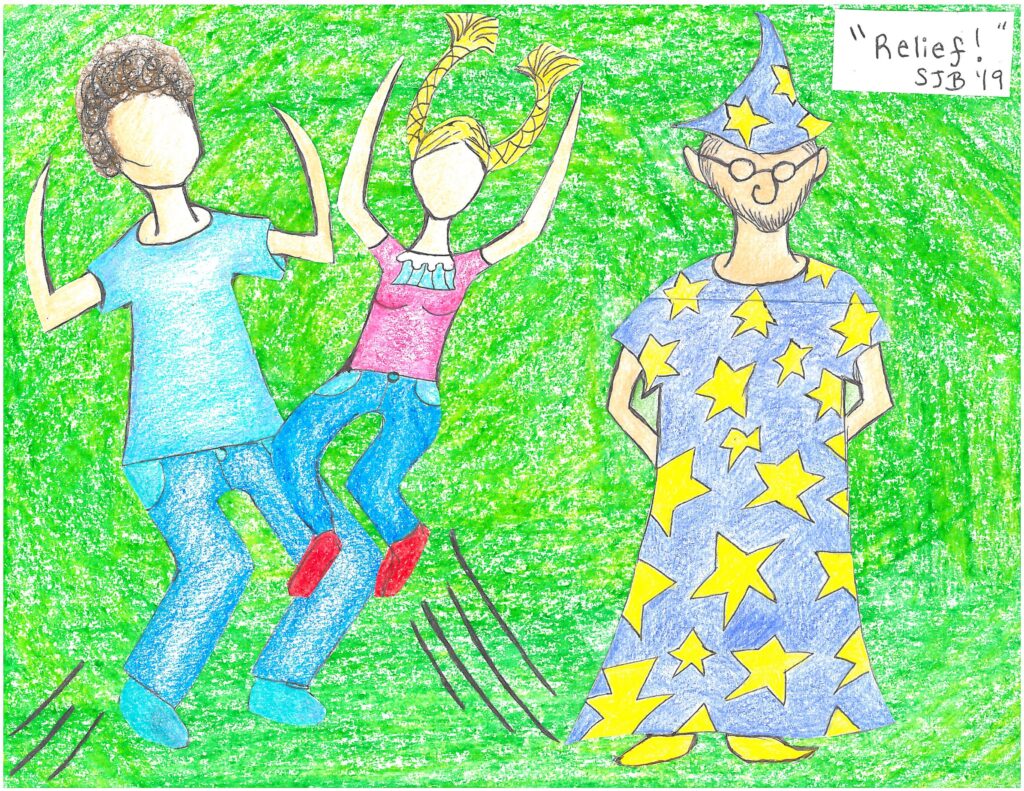
A famous wizard once said, “Of course this is all in your head. Should that mean that it is not real?”
What is “real?” Who knows? Anyone can take a guess or turn to Google for answers, but in the world we live in now, “real” is distorted. It cannot be defined based solely on a string of adjectives. People are slaves to miniature hand-held devices, focusing their eyes on a screen throughout the day and lifting their heads only for brief replies. Children are born with computer skills and extensive knowledge of video games. We have lost the ability to engage in personal communication and human contact. We hide behind tablets, laptops, phones. Conversations channeled through these outlets are often negative and cowardly. On this side of the screen, our confidence is boosted; we believe we will not be punished for our unkind words. Collateral damage will not ensue; this method of communication isn’t “real.” Punishment may not occur, so the cycle continues.
Artificial intelligence programs are helpful, especially now when so many businesses are short-handed. They are also snagging jobs which could be available to humans, yet cutting the costs for business owners. Employment positions ask more of employees than before the pandemic, as many have not returned to work. Some who rise to the task are overqualified and underpaid. When I go grocery shopping, I engage with those stocking shelves or working the register because I can only imagine how tough their days are. I like to make human connections with anyone willing. In my past, I worked as a cashier in a grocery store, and it is far from easy. These people are real, and they fade into the background.
People are strangers before they are friends. These days, we know more strangers than friends. Friends are virtual, not “real.” Before this mess, times were simpler. The personal accounts of strangers were not posted online and shared with the world. Now, we have no reason to ask about our partner’s day. We followed them on social media all day, so there is nothing to tell! Couples having nice dinners together are not having nice dinners with each other. They are glued to their phones, though they sit across from their partners, occasionally sharing something they find interesting with the other. Heads down, eating without seeing their food. What kind of relationship is that? Is this our new reality? We are so cut off from our lives; we look to virtual reality. “Reality” is almost extinct.
In the case of psychiatric disorders, reality is monumentally different. I have visions, which may be considered delusions. Within a delusion, it is difficult to grasp reality. Does society devote more time scrutinizing a person’s “reality,” only because it doesn’t fit the mold? Will others believe my word, when they disagree? Sadly, in some cases, they will not believe the tales of a person struggling with mental illness. We are deemed “incompetent.” Everyone is afraid of the unknown, reality pushed under the rug. What constitutes reality? Is it subjective? Does it exist? I believe it eludes us all.
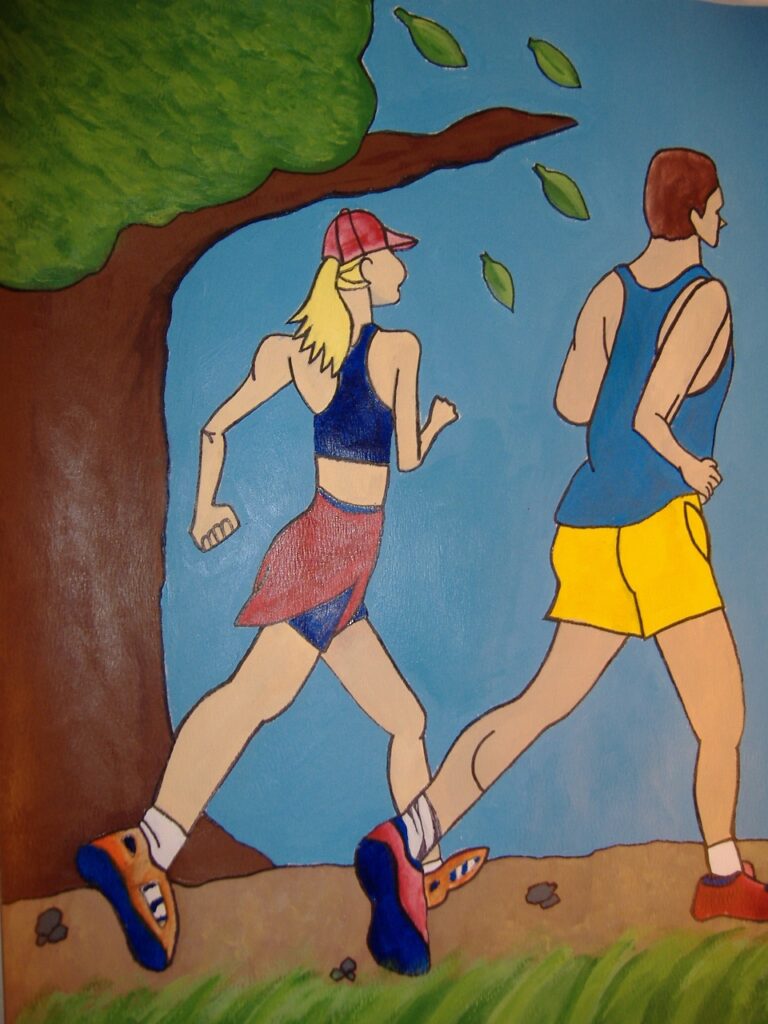
I am a competitive individual. This characteristic has embedded itself deeper under my skin over the span of my life. I have nurtured this personal adjective subconsciously for years. It was born out of my abilities to run fast and to string words together. Recess in elementary school was hardly fun because not a soul would race me across the football field, with the knowledge that they would lose. Running was my passion. I was unable to keep my feet on the ground.
Writing for fun turned into a larger exercise. I entered several writing competitions; publishing articles and poems as early as the third grade. Failure was unacceptable. I had excellent grades and expended every effort to succeed in activities I deemed important. I hated being wrong.
Doesn’t everyone hate to be wrong? Why? Does it make us feel stupid? Are we embarrassed? Sooner, rather than later, we learn that no one is right all the time. WE are not right all the time.
We never forget the worst, most nagging memory of the time we were very wrong.
In my case, embarrassment felt equal to “wrong,” whether or not I was at fault. I attended a performing arts high school, and I was captain of the cross country team. I was in the lead. I won races. I enjoyed my moments in the sun. However; when I was sixteen, I was diagnosed with bipolar 1 disorder. My psychiatrist and I began to experiment with the right combination of medications most beneficial to my illness. I suffered serious, rare side-effects. This was devastating for my personal record.
Ocular gyro crises are a rare but possible side-effect of a few anti-psychotics. I tried for a few months to describe it without success, and it affected my life immensely. I lose control of my eyes. They travel upward, and I cannot focus on the ground, or the view directly before me. My psychiatrist had never seen a case of this, but recognized it. He called a neurologist colleague, who had also never seen a case. That doctor called a neurologist colleague who specialized in eye movement, and he had only seen nine cases in his entire career.
This side-effect happened most frequently when I ran, and it slowed me down. In our regional cross country meet, one of the younger girls on my team, who always ran in the back of the group, overtook me and achieved second position. I finished third. It was my senior year, and last chance to break my own record. I failed.
Though I was not at fault, the ocular gyro crisis ruined my race, and several others that season. I was embarrassed, and I felt “wrong.” The memory of that day will haunt me forever.
When I was in college, I had a small babysitting job. I would bring books, movies, games and activities to share with the kids. Once, a little girl wanted to play a game she owned, titled, “Disney’s Scene It.” I am an expert in that field, so I aced it. Three times. Christmas of that year, I received this game as a gift from my sister. I have not played it, fearing loss and embarrassment if someone beat me. I know that is silly and a bit cowardly, but an example that we are all human and we all make mistakes. Our fear of “wrong” is strong.
Does anyone really remember who they are? Memories are faulty. They age with the fragility of Swiss cheese; our minds sieves. Memories can be altered. We see what we think we see, not always that which is right before us. Telling a story for a number of years, and passing it between many people, can misconstrue details. Where are the hidden truths?
Writing and illustrating a book about remembering presented difficulties I had never faced in my past. In order to remember who you are, you must delve deep into your soul and find yourself. You cannot remember who you are without truly knowing who you are.
People grow and change throughout their lives. Sometimes growth is small and imperceptible. Others change monumentally. Our illness does not define us, but what does?
Do we measure ourselves based on our hobbies; our jobs?
Are we tied by invisible knots to others; gaining strength in numbers?
Do we believe that life happens to us, changing us without our knowledge?
Are we alone, or do we have support?
Is our worth dependent on our relationship with money, or power?
Are we good, kind, generous?
Do we amount to a string of adjectives?
We all follow different paths, and I believe everyone has a direction, even if they cannot see it. Do we recognize ourselves? The truth is that everyone leaves footprints. Whoever you were; whoever you are, find out and hold on.